

Repairs and Maintenance Disputes
A repair dispute is not just about a broken building part. It is also about how the problem was handled, how clearly it was explained, whether the work was done properly, and whether the cost being charged to homeowners can actually be justified. When repairs are delayed, botched, repeated, or badly explained, homeowners have every reason to question what has happened.
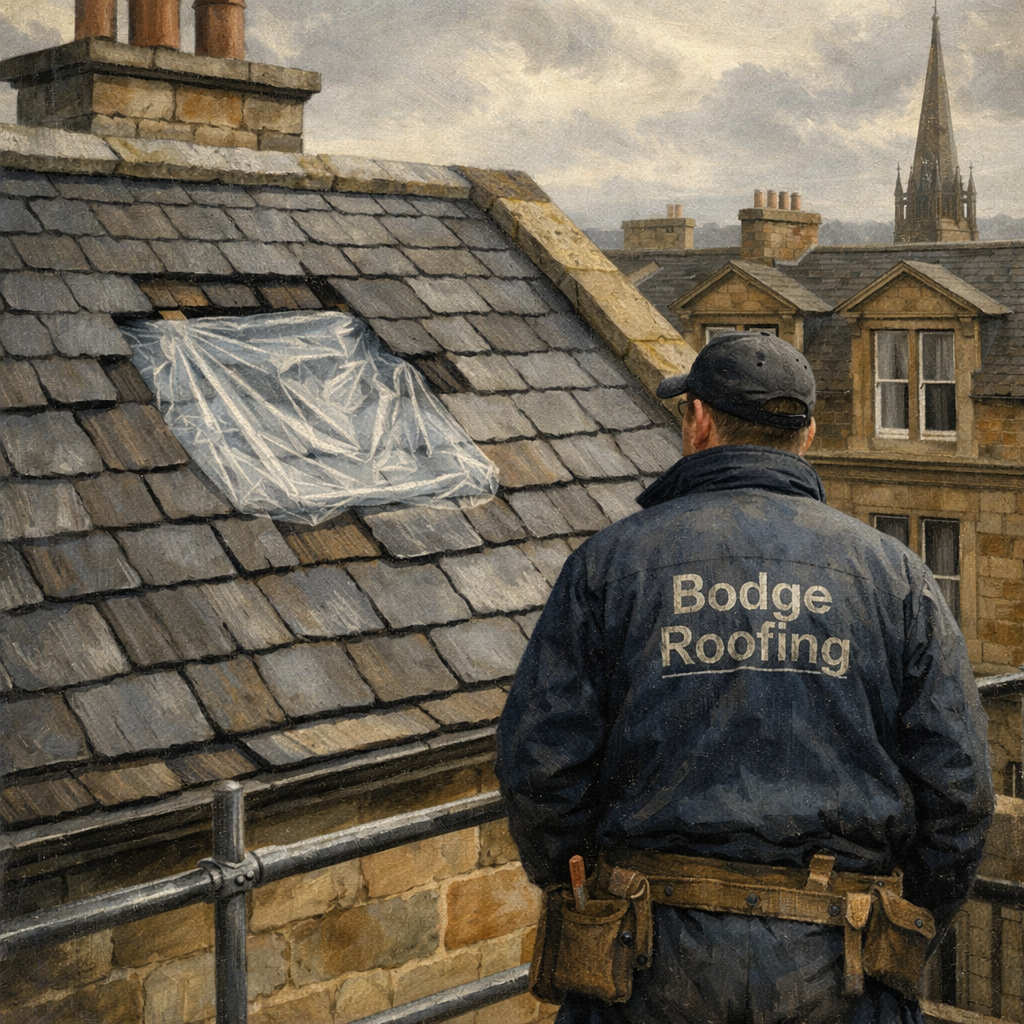
What a repairs dispute actually includes
Many homeowners think a repairs dispute must only be about whether a repair was needed. In reality, the dispute often runs much deeper than that.
A repairs dispute may involve
- repairs not being done at all
- repairs being done too late
- poor workmanship
- temporary fixes being treated as though they were proper repairs
- the same problem returning again and again
- large or vague charges linked to the work
The real issue is often the handling
Even where a maintenance problem genuinely exists, the way the factor deals with it can still be challenged. Delay, poor communication, weak contractor work, unclear charging, and failure to explain what happened properly can all become part of the dispute.
Repair problems and repair disputes are not the same thing
This is an important distinction. A leaking roof, damaged gutter, broken entry system, unsafe common stair, or recurring damp is the repair problem itself. The dispute begins when the handling of that problem becomes contested.
The Written Statement of Services matters here too
Homeowners should not be left guessing how repairs and maintenance are meant to be handled. The factor’s Written Statement of Services should help explain how repair issues are reported, what standards apply, and how complaints are dealt with if things go wrong.
It should help explain
- how repairs are reported
- how urgent and non-urgent issues are handled
- what service standards are said to apply
- what the factor says it will do
- how complaints about repairs should be made
Your Right To Clear Information
A repairs dispute becomes much harder to deal with when the information given is vague, incomplete, or inconsistent. Clear explanations matter from the start.
What homeowners should be able to know about a repair
Clear maintenance information should not stop at “works were required.” Homeowners should be able to understand what the actual issue is and what is being done about it.
You should be able to understand
- what defect or problem has been identified
- where it is and what it affects
- whether it is urgent or non-urgent
- what work is proposed or already done
- whether the work is temporary or permanent
You should also be able to ask
- who instructed the work
- whether contractor reports or invoices exist
- how the cost is being split
- why you are said to be liable for your share
- whether the issue affects your own block or something wider
Common types of maintenance disputes
Homeowners often experience similar patterns when repair problems become disputes.
Delay disputes
The factor knew about the issue, but did not act in time, allowing the condition to worsen or remain unresolved for too long.
Quality disputes
Work was done, but badly. The repair failed, looked makeshift, or clearly fell below a reasonable standard.
Charging disputes
Bills arrive for works the homeowner does not properly understand, cannot connect to the actual issue, or believes have been spread too widely.
Repeat repair disputes
The same problem keeps returning, yet homeowners keep being asked to pay again without any clear explanation of why earlier work failed.
Urgent works still need proper explanation
Some repairs genuinely may need urgent action. But urgency does not remove the need for accountability.
Even with urgent works, homeowners can still ask
- what happened?
- what was done?
- why was it necessary?
- was it a temporary or proper repair?
- what evidence supports the cost?
Why this matters
“Urgent” should not become a blanket excuse for poor communication, weak paperwork, or poorly managed work. Emergency action may sometimes be necessary, but it should still be capable of proper explanation afterwards.
Poor workmanship and repeated failures matter
A repair being attempted does not mean the issue has been dealt with properly. Where work is visibly poor, quickly fails, or never really solves the problem, the dispute may become stronger rather than weaker.
Location and scope still matter
Homeowners should not lose sight of a basic question: what exact area was repaired, and why is that said to fall within their responsibility?
Estate-Wide Charging & Block-Specific Liability
If repair work affects one block or one defined part of a development, that does not automatically mean the cost should be spread as widely as possible.
Questions that matter here
- was it my block?
- was it another block?
- was it a common part I actually share?
- was it a wider estate issue?
- what legal basis supports spreading the cost this way?
Warning signs something may be wrong
Be especially cautious where you see:
- repeated delay despite repeated reports
- the same repair issue returning again and again
- no clear explanation of what work was done
- large bills with vague descriptions
- different staff giving different accounts of what happened
- no contractor detail, no invoice, or no supporting paperwork
- work carried out on one block but billed much more widely
- temporary fixes being repeatedly charged as though they were proper repairs
Questions every homeowner should ask
Clear written questions are one of the strongest tools a homeowner has when a repair issue is being badly handled.
Build your evidence from the start
Repairs disputes are often much easier to understand once the evidence is laid out clearly over time.
Useful evidence to keep
- dated photographs and videos
- emails and letters reporting the issue
- replies from the factor
- copies of invoices and payment demands
- contractor names and dates of attendance
Why it matters
- it helps show delay or repeat failure
- it helps test whether the explanation stayed consistent
- it helps connect the work done to the money charged
- it creates a clear record if the dispute later escalates
What to do first
If you are dealing with a repair or maintenance dispute, try not to let it stay vague. Work through it step by step.
1. Report the problem clearly
Use email if possible. State what the problem is, where it is, and how long it has existed.
2. Ask what is being done
Request timescales, contractor details, and whether the work is temporary or permanent.
3. Question unclear charges
If the work leads to billing, ask for the breakdown, supporting paperwork, and basis of liability.
4. Complain formally if needed
If the issue is not being handled properly, use the factor’s complaints route and preserve the paper trail.
You may not be the only one affected
Repair disputes often affect more than one homeowner, even when the problem first appears to belong to one flat or one part of the building.
Compare experiences with neighbours
- did others report the same issue?
- are they receiving the same explanation?
- are similar charges being issued across the block?
- does the factor’s version of events stay consistent?
Complaints and Escalation
If a repair issue is not being resolved, the next question is often how to complain properly, preserve your evidence, and decide whether formal escalation is needed.
Repairs should not become a cycle of confusion, patchwork, and repeated billing
If work has been delayed, done badly, repeatedly failed, or badly explained, do not assume the homeowner must simply accept it. Ask what happened, what was done, why it was done that way, and why the cost is said to fall on you.